

EV Charger Installation for New Orleans Homes: What to Know Before You Buy
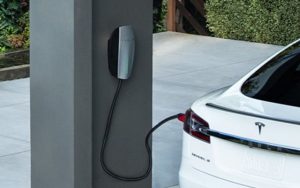 Electric vehicle ownership is growing, and many New Orleans homeowners are ready to charge at home. Before purchasing an EV charger, you need to understand your home’s electrical capacity, the difference between charging speeds, and what permits New Orleans requires. Most homes need a dedicated 240-volt circuit and a licensed electrician to ensure safe installation. This guide covers everything you should know.
KEY TAKEAWAYS
– Most homes need a dedicated 240V circuit; Level 2 charging is significantly faster than Level 1
– Your electrical panel must have available capacity; a licensed electrician can assess this safely
– New Orleans permits are required; installation costs typically range from $500 to $2,500 depending on your setup
– Garage installation offers weather protection but driveway placement works for some homes
WHY HOME EV CHARGER INSTALLATION MATTERS
Home charging offers real convenience. When you can charge overnight, you start each day with a full battery instead of relying on public charging networks. This saves time and reduces stress about finding available chargers when you’re traveling through New Orleans or beyond. The quality of your installation affects charging speed, safety, and long-term reliability of your vehicle and home electrical system.
LEVEL 1 VS LEVEL 2: WHICH CHARGING SPEED DO YOU NEED?
Level 1 chargers use a standard 120-volt household outlet and add about 2 to 3 miles of range per hour of charging. Level 2 chargers require a dedicated 240-volt circuit and add 10 to 30 miles per hour depending on the charger’s power rating. For most EV owners, Level 2 is worth the investment because overnight charging fully replenishes the battery. Level 1 is adequate only if you rarely drive long distances. A licensed electrician can install either, but Level 2 requires more extensive electrical work.
WHAT ELECTRICAL UPGRADES DOES YOUR HOME NEED?
A Level 2 charger needs a dedicated circuit that runs directly from your electrical panel to the charger location. This circuit cannot share power with other devices. The wire size and breaker amperage depend on your charger’s specifications, typically 40 to 60 amps for residential chargers. You’ll need conduit to protect the wire, a disconnect switch near the charger, and proper grounding. An Electrician will evaluate your home’s wiring, determine the safest route for the circuit, and recommend any panel upgrades if needed.
HOW TO CHECK IF YOUR ELECTRICAL PANEL CAN HANDLE IT
Your electrical panel has a main breaker that limits total power your home can use. If you’re already at capacity, adding a high-amperage charger could overload the system. A licensed electrician uses a clamp meter to measure your panel’s actual load and check available space for a new breaker. Older homes in New Orleans sometimes have 100-amp panels, which may not accommodate a 60-amp charger without an upgrade to 150 or 200 amps. Panel upgrades are more expensive than charger circuits, sometimes costing $1,000 to $2,000. Get this assessment before committing to a charger purchase.
PERMITTING AND INSPECTIONS IN NEW ORLEANS
New Orleans requires permits for EV charger installation. The permit ensures the work meets electrical codes and safety standards. Your Electrician typically handles the permit application and inspection scheduling. The inspection verifies proper grounding, circuit protection, wire sizing, and safe placement of the disconnect switch. This process usually takes one to two weeks. Unpermitted installations can create liability issues and void your home’s insurance coverage if something goes wrong.
COST FACTORS TO CONSIDER
 EV charger equipment ranges from $400 to $1,200 depending on features and charging speed. Installation labor typically costs $500 to $1,500 for a straightforward Level 2 installation in New Orleans. If your panel needs an upgrade, add another $1,000 to $2,500. Conduit, wire, disconnect switches, and permits add a few hundred more. Total out-of-pocket cost usually falls between $1,500 and $5,000. Some utility companies and federal tax credits can offset these costs, so research incentive programs before getting quotes.
BEST PLACEMENT: GARAGE OR DRIVEWAY?
Garage installation protects the charger from rain and storm surge, a real benefit in New Orleans during hurricane season. The dedicated circuit is easier to run through walls and existing conduit. Driveway or carport installation works if you don’t have a garage, but the charger must be rated for outdoor use and the wire must run through weatherproof conduit. Driveway placement requires careful planning to avoid tripping hazards and water pooling. An experienced electrician knows the best practices for both scenarios and will recommend placement that’s both safe and practical for your property.
WHY YOU NEED A LICENSED ELECTRICIAN
A licensed electrician brings expertise that protects your investment. They understand New Orleans building codes, know how to properly size circuits and breakers, can identify potential hazards like outdated panel wiring or grounding issues, and ensure your installation passes inspection. DIY electrical work on EV chargers is illegal in New Orleans and voids warranties and insurance. Licensed electricians also guarantee their work and carry liability insurance if anything goes wrong.
GETTING STARTED WITH YOUR EV CHARGER INSTALLATION
The first step is to contact a licensed electrician who specializes in EV charging. They’ll inspect your panel, discuss your charging needs, and provide an honest quote. Don’t rush the process. A thorough assessment prevents costly mistakes and ensures your home’s electrical system can safely handle the demand. With the right preparation and professional installation, you’ll enjoy reliable home charging for years to come.
If you’re in New Orleans and ready to install an EV charger, MK Electric Man is here to help. Our licensed electricians have installed charging systems across the area and understand local codes and unique challenges. Contact us at www.neworleanselectricians.com to schedule your electrical assessment today.