

Restaurant Electrical Services in New Orleans: Powering a Commercial Kitchen Safely
Commercial kitchen electrical systems in New Orleans face intense demands unlike residential wiring. The combination of high-powered equipment, constant moisture, grease buildup, and heat requires specialized installation, proper three-phase distribution, dedicated circuits, and adherence to local fire and health codes.
Why Commercial Kitchens Demand Specialized Electrical Work
A commercial kitchen is one of the most electrically demanding environments you can wire. Heat from ovens and grills, steam from dishwashers, grease from fryers, and constant washdown create conditions that destroy standard residential wiring. Every outlet near water must have ground-fault protection. Every major appliance needs its own dedicated circuit. The electrical system must comply with the National Electrical Code and local fire marshal requirements. One electrical failure during dinner service can shut a restaurant down for hours.

Three-Phase Power: Why Heavy Kitchen Equipment Demands It
Most residential homes run on single-phase power. Commercial kitchens use three-phase electrical service because large equipment like ovens, fryers, dishwashers, and ventilation hoods draw enormous amounts of power. Three-phase distribution allows these loads to be balanced across three separate circuits, preventing overload on any single line. Equipment runs more efficiently without the power surge that would occur if all demand hit a single-phase circuit. Upgrading to three-phase or rebalancing existing loads requires careful load calculations and proper installation by a licensed electrician. Before a renovation or an equipment addition, a phase balance assessment keeps your power system from becoming a bottleneck during peak service.
Dedicated Circuits and the Cost of Nuisance Breaker Trips
A common mistake is sharing circuits across multiple appliances. When a fryer and steamer are on the same circuit, the surge as the steamer fires up can trip the breaker, cutting power to the fryer mid-cook. Customers wait. Staff resets the breaker. Food suffers. Revenue suffers. The National Electrical Code requires that each major cooking appliance have its own dedicated circuit sized for that equipment’s demand. This means separate circuits for the main oven, fryer, dishwasher, and hood ventilation fan. Yes, this requires more panels and wire. But it eliminates nuisance trips and keeps your kitchen running through the dinner rush without interruption.
Hood Systems, Makeup Air, and Fire Suppression Interlocks
A restaurant’s exhaust hood must work in coordination with makeup air and fire suppression systems. When the hood fan runs, it pulls air out of the kitchen. Makeup air must be supplied to replace it or the kitchen becomes difficult to work in. The fire suppression shunt trip mechanism is wired into the hood exhaust motor. If a fire is detected, the shunt trip de-energizes the hood fan and a makeup air damper closes. This is a safety interlock required by fire code and health code. The electrical work must be precise: the shunt trip needs the right voltage, the interlock must respond instantly, and the emergency circuit must be regularly tested. Hire a contractor who understands these interlocking safety systems.
Grounding, Bonding, and GFCI Protection Near Water
Commercial kitchens are wet environments. Every sink, prep station, and dishwashing area needs ground-fault circuit interrupter (GFCI) protection. A GFCI cuts power almost instantly when it detects a ground fault, preventing electrocution. Large metal work surfaces and stainless steel prep tables must be properly grounded and bonded to create an equipotential surface, meaning no voltage difference exists between them. If someone standing in water touches two different metal surfaces, they won’t become part of the circuit. An ELECTRICIAN will run bonding conductors according to code and test continuity to confirm the system is safe.
Permits, Inspections, and Scheduling Around Service Hours
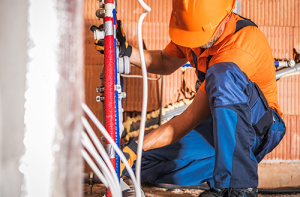 Any electrical work in a New Orleans restaurant requires permits from the city and approval from the fire marshal. Kitchen modifications almost always trigger inspections for electrical safety, fire code compliance, and health code standards. These inspections protect your business and your customers. The challenge is timing. If your restaurant is in the French Quarter or Uptown, shutdown during lunch or dinner service is not an option. Work must be scheduled during off-hours or your regular closure day. Load planning for equipment upgrades must account for existing service capacity and may require scheduling in phases. A contractor experienced in New Orleans restaurant environments coordinates electrical work around your operation so revenue loss is minimized and inspections pass.
Frequently Asked Questions
Do I need a licensed electrician for commercial kitchen electrical work?
Yes. Kitchen electrical work involves high currents, complex code requirements, fire safety interlocks, and inspections by fire marshals and health officials. Licensed electricians carry the training, permits, and insurance required by Louisiana law. DIY electrical work in a commercial kitchen violates code and creates serious safety hazards. Your business liability insurance likely requires licensed contractors.
What should I do if my breakers keep tripping during service?
Nuisance breaker trips usually mean circuits are overloaded or improperly balanced across three-phase service. Contact a licensed electrician to evaluate your load distribution and determine whether you need additional circuits, service upgrades, or rebalancing. Temporary solutions like extension cords or surge protectors create fire hazards and are against code. A proper electrical assessment solves the problem permanently.
How often should kitchen electrical systems be inspected?
Most fire codes require annual or biennial inspections of commercial kitchen electrical systems, particularly hood exhaust and fire suppression interlocks. When you add equipment, modify circuits, or upgrade appliances, a new inspection is required before operation. Regular inspections catch corroded connections, loose bonding, and degraded GFCI function before they cause failure.
About MK Electric Man
MK Electric Man serves New Orleans, Chalmette, Metairie, Kenner, and surrounding parishes with licensed commercial and residential electrical services. Our electricians specialize in commercial kitchen wiring, three-phase systems, hood and fire suppression interlocks, and health code compliance.